
Ion Chromatography for Drinking Water and Wastewater Testing
When you test drinking water or wastewater, accurately detecting ions is crucial for safety and compliance. Ion chromatography lets you separate and measure multiple ions quickly Cation analysis, but getting reliable results depends on proper sample prep and understanding how the system works. Before you rely on those numbers, it’s important to know what ions you’re monitoring and how to interpret the data—because not every peak tells the same story.
How Ion Chromatography Detects Ions in Drinking Water and Wastewater
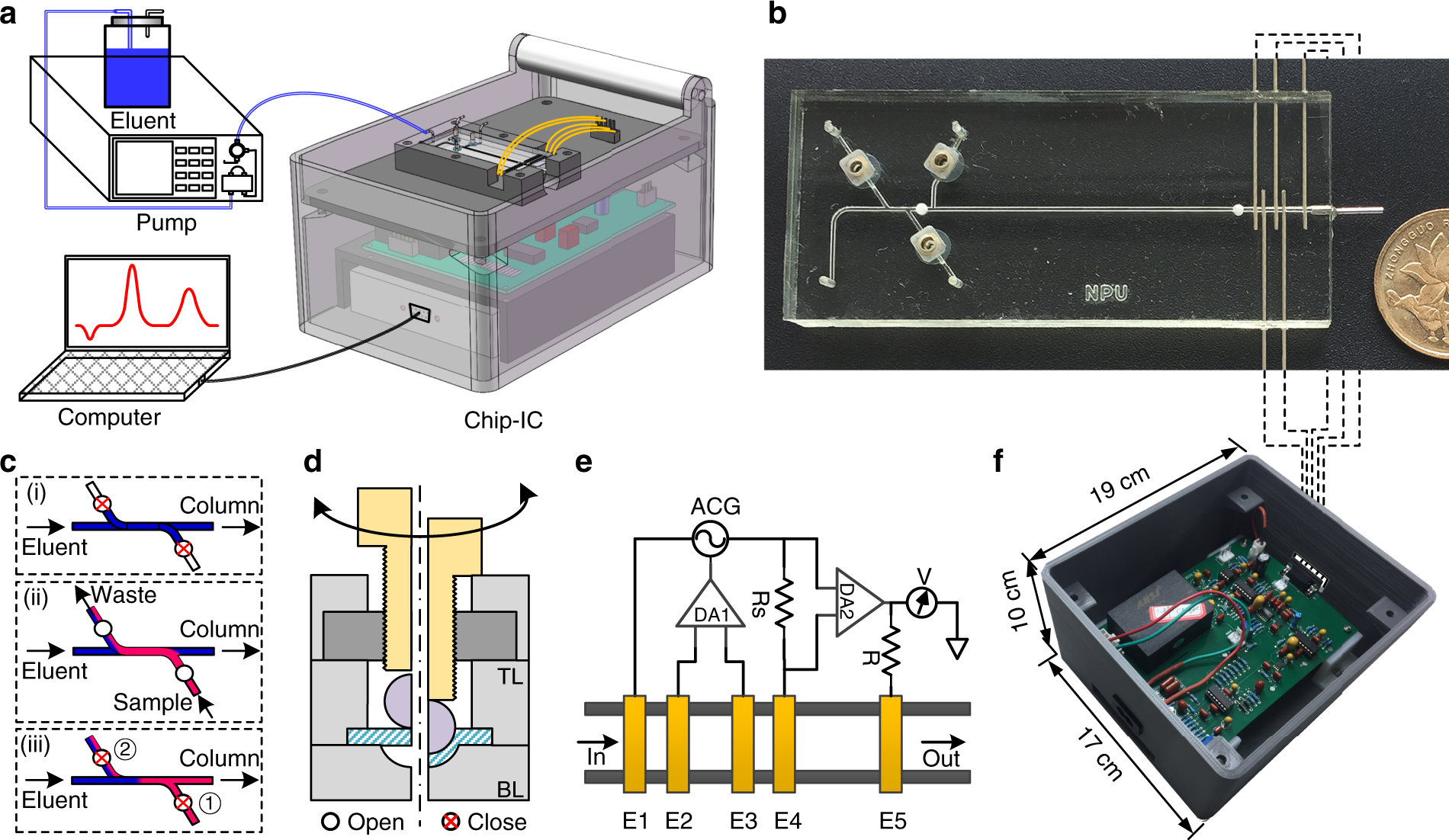
Ion chromatography detects ions in drinking water and wastewater by separating them based on their interaction with a resin-packed column. When you introduce a water sample, ions travel through this column at different speeds, depending on how strongly they stick to the resin https://laballiance.com.my/. As they exit, a detector measures their concentration, letting you know exactly what’s present.
This method gives you the freedom to analyze multiple ions simultaneously with precision. It’s a straightforward process that doesn’t require complex sample preparation, so you can quickly assess water quality. By understanding how each ion interacts within the system, you gain control over monitoring contamination or ensuring safety. With ion chromatography, you’re empowered to keep water clean and reliable without unnecessary complications.
Key Anions and Cations Monitored in Water Testing
Understanding which ions to monitor is key when testing water quality. You want to ensure water is safe and free from harmful contaminants, so focusing on specific anions and cations is essential.
Here’s what you should keep an eye on:
- Chloride (Cl⁻): High levels affect taste and indicate pollution.
- Nitrate (NO₃⁻): Excess causes health risks, especially for infants.
- Sulfate (SO₄²⁻): Can impact water taste and cause laxative effects.
- Calcium (Ca²⁺) and Magnesium (Mg²⁺): These cations influence water hardness, affecting appliances and comfort.
Preparing Samples and Setting Up Ion Chromatography Tests
Before running your tests, you’ll need to prepare your water samples carefully to get accurate ion chromatography results. Start by filtering samples to remove particulates that could clog your system or interfere with detection. Use a 0.45-micron filter for best results.
Next, dilute samples if ion concentrations are too high, ensuring you stay within the instrument’s detection range. Adjust the pH if necessary to stabilize ions and prevent precipitation.
When setting up your ion chromatography system, calibrate it with standard solutions that match the ions you want to measure. Check flow rates, column temperature, and detector settings before injecting your samples.
Interpreting Ion Chromatography Results for Water Quality
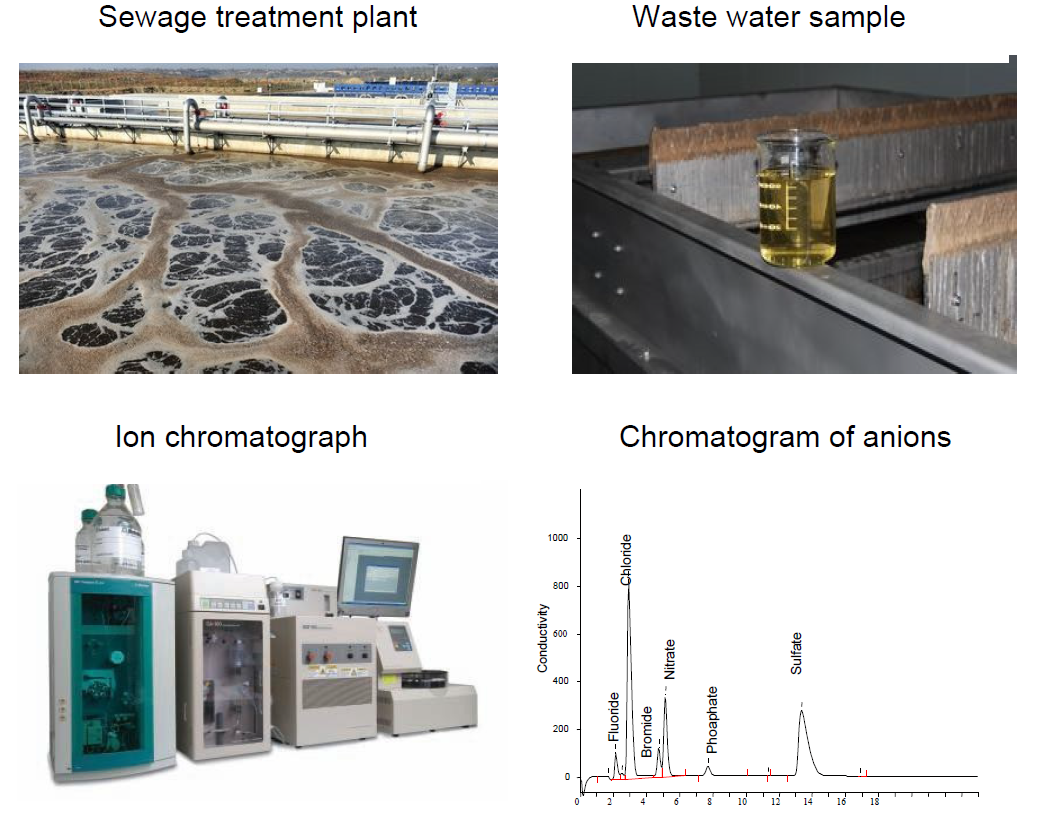
Once you’ve prepared your samples and calibrated your system properly, the next step is to interpret the chromatograms to assess water quality.
You’ll want to focus on key peaks representing ions to understand contamination or purity levels. Here’s how to approach it:
- Identify peaks by retention times matching known ions.
- Measure peak areas or heights to quantify ion concentrations.
- Compare results against water quality standards to spot risks.
- Look for unexpected peaks that might signal unknown pollutants.
Benefits of Ion Chromatography in Regulatory Compliance and Safety
Because ion chromatography delivers precise and reliable measurements of ionic contaminants, it plays a crucial role in helping you meet regulatory requirements and ensure water safety.
You gain confidence knowing your water testing aligns with strict standards, avoiding costly penalties or public health risks.
This technology lets you quickly detect harmful ions like nitrates or chlorides, empowering you to take swift action.
With its accuracy, you can prove compliance to regulators without guesswork, giving you the freedom to focus on improving water quality rather than worrying about measurement errors.
Ion chromatography’s efficiency and sensitivity streamline your testing process, saving time and resources while keeping your water safe and within legal limits.
It’s a vital tool that supports your commitment to safe, compliant water management.
Conclusion
By using ion chromatography, you can accurately detect and measure important ions in drinking water and wastewater, ensuring safety and compliance with regulations. With straightforward sample prep and careful calibration, you’ll get reliable results that help monitor contamination and maintain water quality. This technique empowers you to identify key anions and cations quickly, making your water testing more effective and trustworthy for protecting public health and the environment.